

Diverticulitis: The Symptoms, Causes and the Body Ecology Approach
In the US, more than 50 percent of people older than 60 have diverticula, according to the Mayo Clinic!1
Here’s what you need to know about this increasingly common condition, what causes it, and the natural Body Ecology approach to prevention and treatment.
Diverticu-what?
Diverticulitis is an acute condition caused by diverticulosis.
Diverticulosis occurs when small, bulging pouches (called diverticula) form in your digestive tract. But just because you have diverticulosis does NOT mean you have diverticulitis.
Diverticulitis is when those diverticula pouches become inflamed.
Symptoms of the inflamed diverticula can be:
- Abdominal pain
- Change in bowel habits (diarrhea or constipation)
- Fever
- Nausea
- May feel like appendicitis, but in your lower left abdomen (instead of the right)
Doctors will use blood tests as well as CT scans and X-rays to determine if your abdominal pain is indeed diverticulitis, and then treatment depends on the severity and frequency of your inflammation.
Treatment for mild symptoms includes:
- Rest
- Perhaps a liquid diet for a few days
- Antibiotics
More serious cases involve actually removing the diseased parts of your colon.
Diverticulosis: The Risk Factors
Don’t let diverticulosis (and possibility diverticulitis) creep on you. Answer these questions to determine if you are at risk.
First, how old are you?
This is a tough one to change, so anyone over 40 needs to be vigilant about preventing diverticula.
Next, how much fiber do you eat every day, on average?
Low fiber intake (thanks to processed foods with little nutrition) is seen as the culprit behind the growing number of cases of diverticulitis.
Put down the processed foods and begin to eat a whole food diet, like the Body Ecology program. Just make sure to add fiber gradually, or you may upset your stomach. Aim to eat 30 grams of fiber per day. Most people think fiber is flax and hempseed fiber, Metamucil or psyllium husks. But your best source of fiber is vegetables…and The Body Ecology Diet is a high-fiber, plant-based diet.
Finally, how much do you actually exercise?
Be honest on this one… Researchers are not sure why there is a link, but apparently people who exercise regularly are less likely to have diverticulosis than those who do not.
Perhaps it’s because exercise encourages effective elimination and a healthy colon? Regardless of the reason, 30 minutes a day will give you a head start against diverticulitis.
How Body Ecology Can Help
The Body Ecology System for health and healing is ideal for encouraging a healthy colon. So if you want to prevent or slow the progression of diverticulosis, naturally, Body Ecology is a great solution.
The Body Ecology system is great for a diverticulitis diet because it:
- Creates a healthy inner ecosystem in your intestines with fermented foods and drinks, which encourage the growth of microflora (good bacteria and yeast) that keep you healthy and strong
- Is naturally high in fiber-rich foods that taste great and help you feel satisfied
- Encourages regular cleansing to keep your colon in tip top shape
- Replaces nutrient-empty processed foods with plenty of vegetables and Body Ecology grain-like seeds
- Helps your body build up its energy stores, so your body can heal and so you can exercise.
Also remember that if you have just had diverticulitis, you may need to follow a special diverticulitis diet that is low in fiber while your colon heals. Then you can begin to incorporate Body Ecology principles step by step into your life.
Other tips to help you stay healthy:
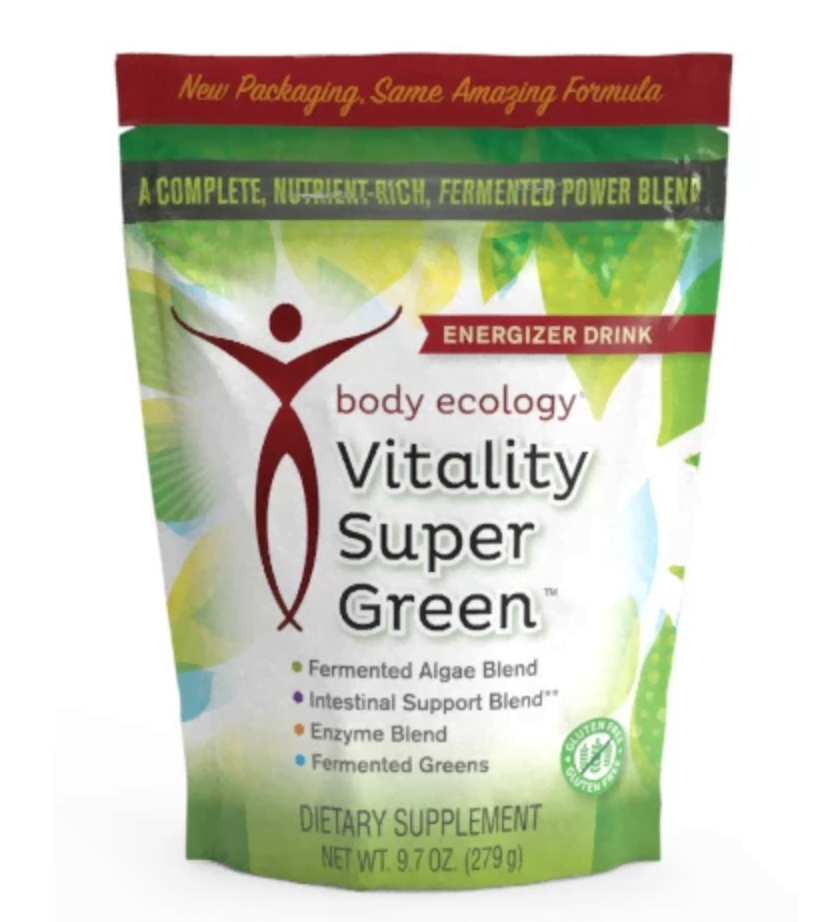
If you are serious about avoiding the fate of half the American population over 60, let Vitality SuperGreen can be in your first line of defense! Vitality SuperGreen helps you build (or re-build) your intestinal lining AND provides probiotics to help your body digest and heal.. It’s not too late. Whether you’ve had diverticulitis or want to avoid it in the future, Vitality SuperGreen is the nourishing drink that can keep your digestive tract happy for the long term. Try Vitality SuperGreen and see how tasty health can be!
- Drink Vitality SuperGreen every day. If there is one thing you do for your intestinal health every day, let it be a dose or two of Vitality SuperGreen. This super nourishing whole food drink tastes great mixed into your favorite liquid and sets the stage for a healthy colon.Packed with fermented vegetables, grasses, algae, sea vegetables and special ingredients like GlutImmune (a more easily absorbed form of Glutamine), Vitality SuperGreen helps soothe and rebuild the lining of your intestines.And it is the best tasting green food on the market!
- Drink plenty of water. When you consume healthy amounts of fiber, you will need to hydrate your body more regularly. So consider getting a large water bottle and refilling it several times per day as you drink between meals.
- Go to the bathroom. When you have to go, don’t hold it. That just builds up pressure. Go as soon as you possibly can, and your body will be more at ease.
- Exercise with a rebounder! This top recommended exercise gives your body all the benefits of fitness without the strain on your joints. Rain or shine, and regardless of your fitness level, rebounding is the ideal exercise.
Let Body Ecology’s simple principles guide you to a life free from diverticulosis with lots of fiber, tasty fermented foods and drinks, regular exercise and plenty of water.
You, your colon, and your doctor will all be happy!
Sources:
- Diverticulitis. MayoClinic.com. http://www.mayoclinic.com/health/diverticulitis/DS00070/DSECTION=1
LATEST ARTICLES
POPULAR ARTICLES


Customer Reviews

Really settles my stomach. Love it!
This is an excellent probiotic, I drink it daily.


