

Gluten-Sensitive? Celiac Disease? Here’s Why You Definitely SHOULD Consider Eating these Fermented Grains

Wheat, the major cause of celiac disease, is in more foods than you think!
Do you suffer from gluten sensitivity or celiac disease?
Healthy grains, particularly the grain-like seeds on the Body Ecology program (see below), are a source of B vitamins, minerals, fiber, protein and serotonin (the feel good hormone that is calming and helps you sleep).
The National Institutes of Health (NIH) estimates that 2 million people in the US (or 1 in 133 people) have celiac disease, possibly more due to underdiagnosis.1
Celiac disease (also called celiac sprue) is an autoimmune disease that results in the body attacking its own small intestine whenever you eat products containing gluten (e.g., wheat, rye and barley).
Gluten is a hard-to-digest protein found in many whole grains and cereals – and is often hidden in processed foods as binders, starch and fillers.
Hidden sources of gluten in processed foods include:
- Flavored tea and coffee
- Artificial coffee creamer
- Imitation seafood products
- Malt vinegar and white vinegar
- Starch, binders and fillers
- Flavoring
- Emulsifier
- Hydrolized Vegetable Protein
- Soy sauce
- Monosodium Glutamate (MSG)
- Garlic salt, onion salt and some mustard powders
Gluten sensitivity occurs in individuals (particularly first degree family members of those with celiac disease) who have circulating antibodies characteristic of celiac disease, but could be asymptomatic or have fewer symptoms of celiac disease. It is unclear whether they will develop celiac disease over time, but they tend to do well on a gluten-free diet.2
According to Columbia University Medical Center, there are 2 main causes for celiac disease3:
- Wheat – eating wheat has been found to cause celiac disease. Further research isolated the protein gluten and even smaller proteins called gliadins, which can precipitate celiac disease in previously asymptomatic celiacs. Such proteins are also found in barley, rye and oats.
- Genetics – research has found that celiac disease runs in families, although first degree relatives may or may not have symptoms.
While there is no test to conclusively diagnose celiac disease, there are antibodies, which can be characteristic (though not specific to) to celiac disease. Additionally, due to the wide range of symptoms, which mimic other illnesses, celiac disease can be difficult to diagnose.
Symptoms of Gluten Sensitivity and Celiac Disease4
- Diarrhea
- Vomiting
- Weight loss
- Anemia
- Chronic fatigue
- Gastrointestinal pain and distress (gas, abdominal pain, bloating, etc.)
- Osteopenic bone disease and bone pain
- Tetany (a combination of symptoms caused by low calcium and resulting in cramps, spasms, muscle aches and overactive neurological reflexes)
- Neurologic disorders (although rarely)
Gluten Free, The Only Answer?
So far, gluten free diets appear to be the only answer to celiac disease and gluten sensitivity. Eliminating gluten-containing foods can bring symptom relief in as little as 2 weeks in most individuals and can allow the intestines to heal.
I have long believed that the wheat we are eating today is a low-vibrational food. It drains our energy instead of nourishing us and it is, in a nutshell, a damaging, poisonous food. This is why the Body Ecology program is wheat free and gluten free. It is also sugar-free as well. Because you are eliminating all three types of hurtful foods this is one of the many reasons The Body Ecology Diet works so effectively. It is helping the body heal itself from many harmful conditions by eliminating three of the key injurious substances.
However, I believe there are 2 critical issues that are often misunderstood in problems that affect the gastrointestinal tract:
- Gastrointestinal problems often result from an imbalanced inner ecosystem. A healthy inner ecosystem is thriving with good microflora (beneficial bacteria and valuable yeast) that help correct your digestion and boost your immunity. A poor diet full of processed foods, a stressful lifestyle, environmental toxins and drugs can kill healthy microflora, creating digestive problems and setting the stage for illness and disease.
- Individuals who have an imbalanced inner ecosystem and who eat improperly prepared grains for years (not soaking, sprouting or fermenting grains before eating them) can end up with gas, bloating and other digestive problems. These individuals lack healthy “grain-loving” bacteria that help digest grains. I believe this may be the REAL reason behind gluten sensitivity.
- All grains have enzyme inhibitors and phytic acid that make them difficult to digest and inhibits the absorption of minerals in your body. Eating large quantities of grains and flours that have not been soaked, sprouted or fermented can lead to mineral deficiencies, bone loss, digestive illness, allergies, irritable bowel syndrome (IBS) and mental illness.5
- Gastrointestinal problems CAN be corrected with a probiotic diet, which is why I originally created the Body Ecology system of health and healing. I’ve found — through research and decades of anecdotal feedback from Body Ecology followers – that correcting digestion has a healing effect on all of the organs in your body including the entire gastrointestinal tract. It’s also essential for building your immunity. A strong, hardy digestive tract leads to a healthier and even happier life. It’s an important secret to maintaining and even restoring your youth.
Are millions of people in the US really gluten intolerant or do they simply lack “grain loving” microflora that can digest gluten foods? Are they lacking digestive enzymes to digest grains? Are the grain-based foods they are eating the wrong foods? The Body Ecology program helps answer these questions and solve these problems.
The Body Ecology Program for Gluten Sensitivity and Celiac Disease
Is it possible that individuals with celiac disease and gluten sensitivity have an imbalanced inner ecosystems? Could they be lacking healthy grain-loving microflora that would allow them to eat grains?
There is a good reason to avoid gluten and other foods while your gastrointestinal tract is out of balance.
The goal of the Body Ecology program is to remove all the foods that harm your body and introduce a system of eating whole, healing foods that bring your body back into balance.
After approximately 3 months following Body Ecology, many people have reported being able to introduce eliminated foods back into their diet.
Since improperly prepared grains cause so many digestive problems, many people have partially or completely removed grains from their diets. While this can relieve symptoms, it does not correct the problem of an imbalanced inner ecosystem, lacking in friendly microflora (including important grain-loving microflora).
Unfortunately, this leads to missing out on all of the benefits of healthy whole grains.
Healthy grains, particularly the grain-like seeds on the Body Ecology program (see below), are a source of B vitamins, minerals, fiber, protein and serotonin (the feel good hormone that is calming and helps you sleep).
Grains also act as prebiotics (food for healthy microflora).
In fact, many people are not getting enough fiber because they lack healthy whole grains in their diet. Following the Body Ecology program is an excellent way to introduce grain-loving bacteria into your body and heal your digestion.
Here are Body Ecology’s 5 key steps to healing your gastrointestinal tract and therefore, your digestion:
- Focus on healing your inner ecosystem. You can re-establish a healthy inner ecosystem by following the Body Ecology system of health and healing.
- Remove sugar (even natural sugar from fruits and other high glycemic sweeteners) and foods that feed candida, a systemic fungal infection that affects more than 70% of Americans.
- For a sweet taste with medicinal properties, use Stevia, an all natural herb with zero calories that does not spike your blood sugar or feed candida. And stay tuned for Body Ecology’s exciting new all-natural sweetener…more information is coming soon!
- Acid fruits like unsweetened lemons, limes, cranberries and black currants are okay because they do not feed candida.
- Remove difficult to digest proteins like gluten in grains, casein in dairy and legumes – eventually, once your digestion heals, you may be able to add them back into your diet. We’ve learned that this can take 3 months or more, depending on the individual.
- The gluten-free grain-like seeds, amaranth, buckwheat, quinoa and millet are the only grains on the initial stage of the Body Ecology program. We recommend that you prepare them by soaking, sprouting or fermenting them before cooking. For more, read: The Risks of Consuming Typical Grains and the Healthy Grains to Choose Instead.
- Focus on cleansing – when you follow the Body Ecology system, you are automatically starting a cleansing program that helps rid your body of dangerous pathogenic bacteria, viruses, toxins, parasites and yeast. For more on cleansing, read: Why Your Body Needs to Cleanse.
- Add fermented foods and drinks – fermented foods, like cultured vegetables and probiotic liquids, like Young Coconut Kefir, are excellent for: healing your digestive tract, increasing the digestibility of foods, repopulating your intestines with healthy microflora, stopping cravings for sugar and processed foods and increasing nutrients in your foods.
- We also recommend convenient, ready-made probiotic liquids, like CocoBiotic, BE Wholegrain Liquid, and Dong Quai. These delicious drinks provide an easy, portable way to repopulate your gut with beneficial microflora and heal your digestion.
- For more on these amazing probiotic liquids, read: Which Type of Probiotic Liquid Should You Choose? Is there a “Best” One for You?
But What About GLUTEN Grains in Probiotic Liquids?
We’ve had many e-mails asking why our probiotic liquids have gluten-containing ingredients like wheat, rye and oats.
The process of fermentation breaks the ingredients (like grains and beans, for example) down so that they are more easily digestible, neutralizing the anti-nutrients, like enzyme inhibitors and phytic acid.6,7
Research has been done on the sourdough fermentation process showing that fermenting grains even breaks down the toxic peptides in gluten, neutralizing them as well.8
There are two goals for these probiotic liquids:
- To heal your inner ecosystem and therefore, your immunity.
- To repopulate your intestines with these key grain-loving bacteria so that you can digest grains. (If you are not eating grains at all, try our probiotic liquids for at least a month and then experiment with adding the 4 Body Ecology grains. You may find that you are able to digest grains again!).
One of the 7 healthy eating principles of the Body Ecology program is the principle of uniqueness.
The principle of uniqueness states that everyone is an “experiment of one.” This means that with everything you eat, you’ll want to listen to your body to determine if it works for you or not.
Most people with celiac disease or gluten sensitivity will be familiar with this principle because there are no hard and fast truths for these digestive disorders.
You are used to looking carefully at ingredients and gauging the reaction in your body.
The Body Ecology program and probiotic liquids may be your key to healing your digestion so that you can feel your best and experience energy, vitality and great health.
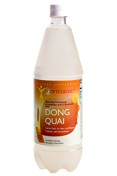
CocoBiotic and Dong Quai are delicious and economical liquids that provide an easy, portable way to repopulate your gut with beneficial microflora and heal your digestion. Discover the specific benefits of each – and access the laboratory report findings of the gluten content in both in the sidebar to the right – by reading each page accessible below:
Discover More About Dong Quai Now
Discover More About CocoBiotic Now
Why Do Your Probiotic Liquids Contain Gluten?
Current research suggests that for persons with celiac disease and gluten-sensitivity the maximum safe level of gluten in a finished product is less than 0.02% (200 parts per million) and possibly as little as 0.002% (20 parts per million). Indeed, for a product to be labeled as “Gluten-Free,” Codex Standard allow for up to 200 parts per million gluten content.
Although you see wheat and rye lower down in the ingredient lists for Coco-Biotic and Dong Quai, and wheat, rye and oats for BE Wholegrain, NO gluten was detected in laboratory tests for Coco-Biotic , only 6 parts per million was detected in lab tests for Dong Quai, and only 7 parts per million was detected in lab tests for BE Wholegrain (which is all WAY below the rigorous 20 parts per million or less threshold the FDA is pushing for to label a product “Gluten-Free.”)
Aside from the fact that there are minimal amounts of these grains in Coco-Biotic, Dong Quai, and BE Wholegrain, the fermentation process actually breaks down the gluten; gluten strains normally bind in the body, but fermentation breaks it down so it won’t! That means those with gluten-sensitivities may actually have their digestive systems improved and long-term their gluten-tolerance raised by these products!
Sources
- Celiac Disease. National Digestive Diseases Information Clearinghouse.
http://digestive.niddk.nih.gov/ddiseases/pubs/celiac/index.htm#7 - Celiac Disease and Gluten Sensitivity. Columbia University Medical Center.
http://cpmcnet.columbia.edu/dept/gi/celiac.html - ibid.
- Celiac Disease.
http://digestive.niddk.nih.gov/ddiseases/pubs/celiac/index.htm#3 - Fallon, Sally and Enig, Mary. Be Kind To Your Grains. Weston A. Price Foundation. Excerpt from Nourishing Traditions. http://www.westonaprice.org/moderndiseases/gluten-intolerance.html
- Biello, David. Bacteria Render Beans Easier to Digest and More Nutritious. Scientific American.com. April 2006.
http://www.sciam.com/article.cfm?articleID=000E8F6D-9465-144E-946583414B7F0000 - Czapp, Katherine. Against the Grain. Weston A. Price Foundation
http://www.westonaprice.org/moderndiseases/gluten-intolerance.html - ibid.
LATEST ARTICLES



POPULAR ARTICLES



Customer Reviews

Really settles my stomach. Love it!
This is an excellent probiotic, I drink it daily.


