

Vitamin C: It’s Key Benefits & Why It’s So Easy to Get BUT so Hard to Keep

Leonard Smith, M.D., is a renowned gastrointestinal, vascular and general surgeon as well as an expert in the use of nutrition and natural supplementation. As a surgeon, Dr. Smith has first-hand experience of the problems associated with faulty digestion and the surgical necessities they can cause.
For the past 20 years, Dr. Smith has investigated many holistic medical programs, including nutrition, exercise, chelation, stress management and the relevance of mental and spiritual attitudes in healing. Acknowledging the effectiveness of whole organic foods and nutritional supplementation, Dr. Smith strives to stay on the leading edge of research and breakthroughs in the field of functional nutrition.
Just about everyone would agree that vitamin C (ascorbic acid) is important. We especially turn to vitamin C when we have a cold, the flu or other illness.
You may have heard about the recent studies on vitamin C’s effectiveness for arthritis, cardiovascular disease, diabetes, cancer, stroke and cataracts. New research is even showing that vitamin C may play a role in helping you oxidize fat.
Did you know that your body doesn’t make vitamin C? This must-have vitamin needs to come from your diet.
There are many reasons you want to include healthy sources of vitamin C in your diet, and since about a third of Americans are deficient, included here are tips for how to find the best sources.
Benefits of Vitamin C
- Development of collagen, a structural component of bones, tendons, ligaments and blood vessels.
- Fighting free radicals – vitamin C is an antioxidant that protects against free radical damage from normal metabolism, pollutants and toxins.
- The synthesis of norepinephrine, a neurotransmitter that is responsible for your moods.
- The synthesis of carnitine, which is responsible for the conversion of fat into energy in your mitochondria (structures which produce energy in cells).
- May have uses forprotecting from imbalanced blood cholesterol and gallstones.
- Adrenal and thyroid function.
- Aiding treatment of bacterial, fungal and viral infections and inflammatory problems.
- Acting as a detoxifier and may reduce the side effects of drugs (like aspirin, insulin and cortisone) and reduce the toxicity of heavy metals (lead, mercury and arsenic).1
Recent research shows that vitamin C may also play a role in lowering body fat and reducing fatigue.
Researchers noted that about 30% of Americans were low in vitamin C and the findings showed that fat oxidation decreased as concentration of vitamin C decreased. Studies are now being done to determine if low levels of vitamin C is involved in age-related weight gain among non-dieters.2
This study points out the fact that Vitamin C is required to make carnitine. Carnitine is important because it escorts fatty acids into the mitochondria (your cells’ power sources) to be oxidized for energy.

Should you really depend on a supplement to get your vitamin C? Find out the best sources of vitamin C and how to keep it working for your health.
It would make sense that low vitamin C would mean low carnitine and low carnitine would result in a reduced ability to burn fat.
Even though this was a preliminary study and the results were not statistically significant, it does suggest that those with higher vitamin C levels burned more fat than those with low vitamin C levels.
Perhaps future research will show that monitoring vitamin C levels and supplementing where necessary would be useful for enhancing the use of fat as a fuel. With more data, we could learn that vitamin C levels are one more thing that makes a difference in understanding and treating obesity.
Best Sources of Vitamin C
Whole foods are always your best bet when it comes to getting your nutrients, like vitamins and minerals. The same is true for vitamin C.
In fact, long before vitamin C was isolated, the British navy learned they could cure scurvy (a potentially fatal vitamin C deficiency) by eating lemons or oranges. Dutch seamen even carried cultured vegetables on long trips in order to protect from scurvy.
Some great food sources of Vitamin C are:
- Fermented vegetables – cultured vegetables are a great source of vitamin C, especially if made with cabbage.
- Fruits – especially citrus fruits (lemons and limes are on the inital, stricter phase of the Body Ecology program). Unsweetened black currants are also a good source of vitamin C and on the initial, stricter version of the Body Ecology program.
- Vegetables – especially red and green peppers (green peppers are not recommended in the initial, stricter phase of the Body Ecology program because they are night shades and cause reactions in some people), parsley, dark leafy greens and cabbage.
- Body Ecology Grains – While grains are not known to be a good source of vitamin C, once they are sprouted, their vitamin C content increases. Of the 4 Body Ecology grain-like seeds, there are two that you may want to consider when focusing on your intake of vitamin C:
- Amaranth is a good source of vitamin C
- Buckwheat is high in flavinoids, which extends the action of vitamin C. Be sure to check out this recommended Gluten-Free Organic Buckwheat Flour.
- For more information on Body Ecology grains, read: The Risks of Consuming Typical Grains & The Healthy Grains to Choose Instead.
Vitamin C Preparation Tips:
Vitamin C is one of the least stable vitamins and can be easily lost from foods when preparing them. In order to retain as much vitamin C as possible, eat your vegetables raw (see this article for the raw vegetables to avoid) or steam them using a double boiler whenever possible. Since vitamin C is water soluble, it can be lost if you store your cut vegetables in water.
Fermenting your vegetables is a great way to ensure you get the most of your vitamin C, since fermenting increases nutrients and nutrient availability significantly.
Vitamin C Absorption Tips:
In order to get your vitamin C, or any other nutrient for that matter, you must be able to digest your foods properly.
Many people do not have a healthy inner ecosystem, so essential for proper digestion and absorption. A healthy inner ecosystem is made up of the healthy bacteria (microflora) that reside in our intestines and keep us healthy and strong. It is the beneficial bacteria that make it easy for our body to absorb and manufacture the nutrients we need for optimal health.
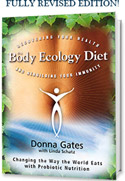 The Body Ecology program shows you the way to increase your vitamin C and all of the important nutrients you need for health and healing. Find out more and get your copy of The Body Ecology Diet.
Following the Body Ecology program and especially, including fermented foods and drinks in your diet will help you create the balance your inner ecosystem. For more information, read The Body Ecology Diet.
Vitamin C “Lifestyle” Tips:
Vitamin C is great for your adrenals, but constant stress depletes vitamin C. Other things that deplete vitamin C are: smoking, illness, injury, birth control pills, estrogen for menopause, cortisone and aspirin.
As you incorporate a healthy diet, creating a healthy, stress-free lifestyle can also benefit your well being.
What About Supplements?
While whole food sources of vitamins are best, you may choose to take supplements to ensure that you are getting the vitamin C your body needs, especially during detox, cold and flu season or healing from injury or disease.
There are many forms of vitamin C, including ascorbic acid, L-ascorbic acid, Ester-C and mineral ascorbates, although there have been no major differences shown in the absorbability of these various forms by your body. The Linus Pauling Institute found that a 4:1 ratio of bioflavinoids (already present in fruits and vegetables) to vitamin C was the only thing that increased the absorption of synthetic vitamin C supplements.3
Body Ecology recommends The Right C by Nature’s Way
Dosage recommendations vary and your needs may vary depending on the state of your health, so check with your health care provider for the right dosage for you.
The U.S. RDA (recommended daily allowance) is 60 mg. Since it is absorbed and excreted quickly, you may want to consider dividing your doses of vitamin C during the day (every 4 hours) or using time released capsules.
“C” Your Way To Good Health
Vitamin C is essential, whether you want to maintain or improve your health. With the Body Ecology program, you have a roadmap for getting all of your nutrients, including the all-important vitamin C.
on your journey to vibrant health!
Sources
1 Haas, Nelson M., MD. Vitamin C. Excerpted from Staying Healthy with Nutrition:
The Complete Guide to Diet and Nutritional Medicine.
http://www.healthy.net/scr/article.asp?ID=2134
2 Vitamin C could lower body fat levels, Nutraingredients.com, April 6, 2006.
http://www.nutraingredients-usa.com/news/ng.asp?id=66922
3 Higdon, Jane, R.N., Ph.D., Linus Pauling Institute, May 2001.The Bioavailability of Different Forms of Vitamin C.
LATEST ARTICLES


POPULAR ARTICLES



Customer Reviews

Really settles my stomach. Love it!
This is an excellent probiotic, I drink it daily.


