

Lactobacillus Acidophilus: The Key Benefits of this “First Class” Beneficial Bacteria & How to Best Obtain It in Your Diet
Lactobacillus acidophilus –it’s a mouthful to be sure, but this particular probiotic and its other helpful associates in the tiny microscopic world of beneficial “germs” have become buzzwords in the mainstream media because they can fight infection and enhance your immunity.

Yogurt contains the probiotic lactobacillus acidophilus, but many people can’t digest conventional yogurt. Kefir, which you can read about below, is an even better source of this beneficial bacteria.
Lactobacillus acidophilus, also known as L. acidophilus, is a beneficial bacteria that you definitely want living inside your smallintestine.
It is very acid-resistant and tolerates bile quite effectively. Besides nestling into the mucosal lining of your small intestine, you’ll also want L. acidophilus “colonizing” and protecting the lining of your vagina and cervix, (if you have them) and your urethra. In these places acidophilus will work to produce lactic and other organic acids inhibiting the adherence and multiplication of pathogenic microbes.
It competes against or “antagonizes” an array of pathogens including Escherichia coli (E. coli, the cause of “Montezuma’s Revenge”), Staphylococcus aureus and Salmonella (common causes of food poisoning), Candida albicans (yeast infections and syndromes), and other pathogens such as Shigella, Clostridium, Listeria, and Helicobacter species.
The Allure of L. Acidophilus
Like the billions of other beneficial microorganisms in your digestive tract, L. acidophilus helps you digest food, produces vitamins and facilitates digestion.
Even though there are many other kinds of probiotics in your intestines, lactobacillus acidophilus plays an especially important role. It is key to your digestion of dairy products and produces vitamin K, which is essential to proper blood clotting and bone formation and repair.
Here’s a quick summary of what L. acidophilus can do in your body:
- Produces lactase, the enzyme that breaks down the sugar in milk. (People who are lactose intolerant don’t produce this enzyme.)
- Prevents and treats diarrhea.
- Reduces overgrowth of pathogens in your digestive tract.
- Relieves Irritable Bowel Syndrome, Crohn’s disease, and gut dysbiosis.
- Decreases frequency of vaginal yeast infections and urinary tract infections.
- Increases your immune response.
- May treat respiratory infections like sinusitis and bronchitis.
The Best Probiotics for You
Yogurt and probiotic supplements are some of the most commonly available ways to get beneficial bacteria in your diet, but commercial yogurt products contain very little friendly bacteria by the time you purchase them. Many also contain a good amount of sugar that feeds not only good bacteria but also any bad ones in your gut.
Although they are sugar-free, probiotic supplements can be both expensive and relatively unstable. We also question their effectiveness in a really long digestive tract (your small intestine is about 3.5 times your body length.)
Fermented foods and drinks containing lactobacillus acidophilus and other probiotics are a much more potent choice for incorporating beneficial bacteria into your diet. The Body Ecology system of health and healing strongly emphasizes building your healthy inner ecosystem through fermented foods.
A healthy inner ecosystem is made up of the friendly microflora (good bacteria) that reside in our intestines and keep us healthy and strong.
Modern Fermented Foods
Many cultures have used fermented foods for centuries (and only now are we re-discovering their benefits. To learn more, read: Baghdad’s Ancient Secret that can Help You Improve Your Health)
Body Ecology provides plenty of ways to incorporate lactobacillus acidophilus and other beneficial bacteria into your diet with delicious recipes and simple, whole food alternatives.
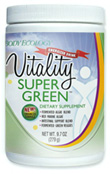
Vitality SuperGreen
is a delicious, easy way to get L. acidophilus AND your greens to build energy and good health.To add some beneficial L. acidophilus to your diet, try one or more of the following:
- Young Coconut Kefir. This delicious beverage is a great way to start your day and can stop sugar cravings. Just follow our easy instructions!
- Raw Cultured Vegetables. Add a serving of fermented vegetables to every meal and you’ll notice that your food digests more efficiently. Though you won’t be able to see it, the cultured veggies also help extract more nutrients, and populate your stomach with plenty of probiotics. Our recipes make it simple.
- Essential Duo Culture Starter. Essential Duo contains L. acidophilus and becomes the basis for homemade fermented foods.
- Vitality SuperGreen. This whole food mixture has plenty of probiotics thanks to fermented greens, algaes, and grasses.
Lactobacillus acidophilus and other probiotics can be a great way to jumpstart your journey to good health. With Body Ecology’s whole food sources of these beneficial bacteria, you can be sure that you are getting the highest quality and concentration of probiotics for your money.
Learn more about enhancing your inner ecosystem with probiotics and making your own fermented foods and drinks by reading: Which Culture Starter Should You Use for What?
LATEST ARTICLES

POPULAR ARTICLES



Customer Reviews

Really settles my stomach. Love it!
This is an excellent probiotic, I drink it daily.


