

Is Your High Protein Diet Doing More Harm Than Good?
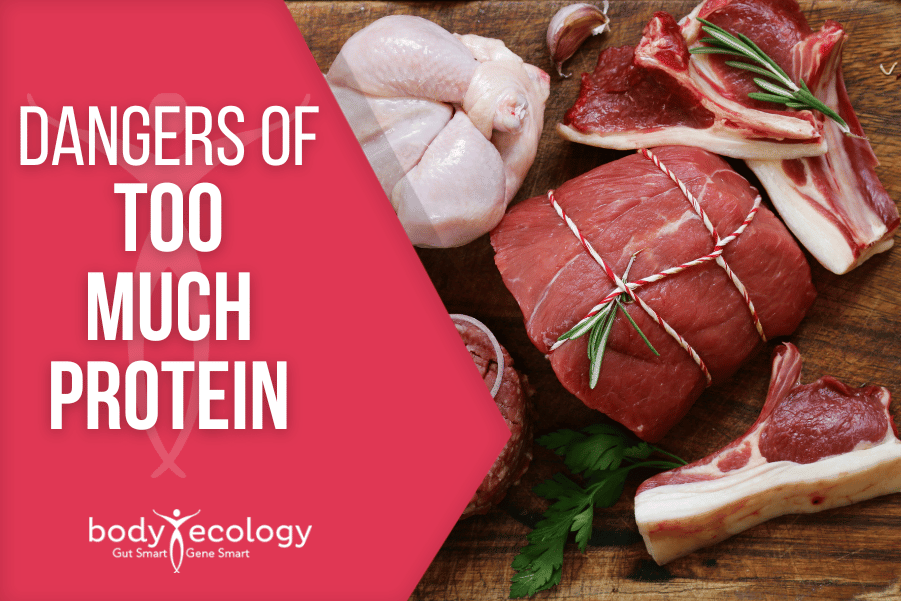
Protein is an important nutrient needed by every cell in your body. But many people are eating too much animal protein and do not have enough stomach acid and enzymes to properly digest it.
What Happens When You Don’t Have Enough Stomach Acid & Enzymes To Digest Animal Protein
While the digestion of vegetables and grains occurs in the small intestine, the digestion of animal proteins begins in the stomach (with HCl and Pepsin). It continues in the small intestine with the help of intestinal enzymes produced there.
The lack of stomach acid secreted in the stomach, and a lack of small intestine enzymes, are key reasons that animal proteins are poorly digested.
When poorly digested in the stomach and small intestine, animal protein is fermented in the descending colon, resulting in the production of potentially toxic metabolites such as ammonia.
Ammonia is a waste product that bacteria in your intestines make when digesting protein. Normally, ammonia is processed in your liver and kidneys and eliminated through urine. If it’s not properly eliminated, it can build up in the blood, pass to the brain, and become toxic to the central nervous system.
Too much undigested protein can also lead to colon cancer, the second most common cause of cancer in the Western world today.
Are You Eating Too Much Animal Protein Each Day?
A combination of low stomach acid and small intestine enzymes, improper food combining, and eating animal protein too late in the day leads to poor digestion.
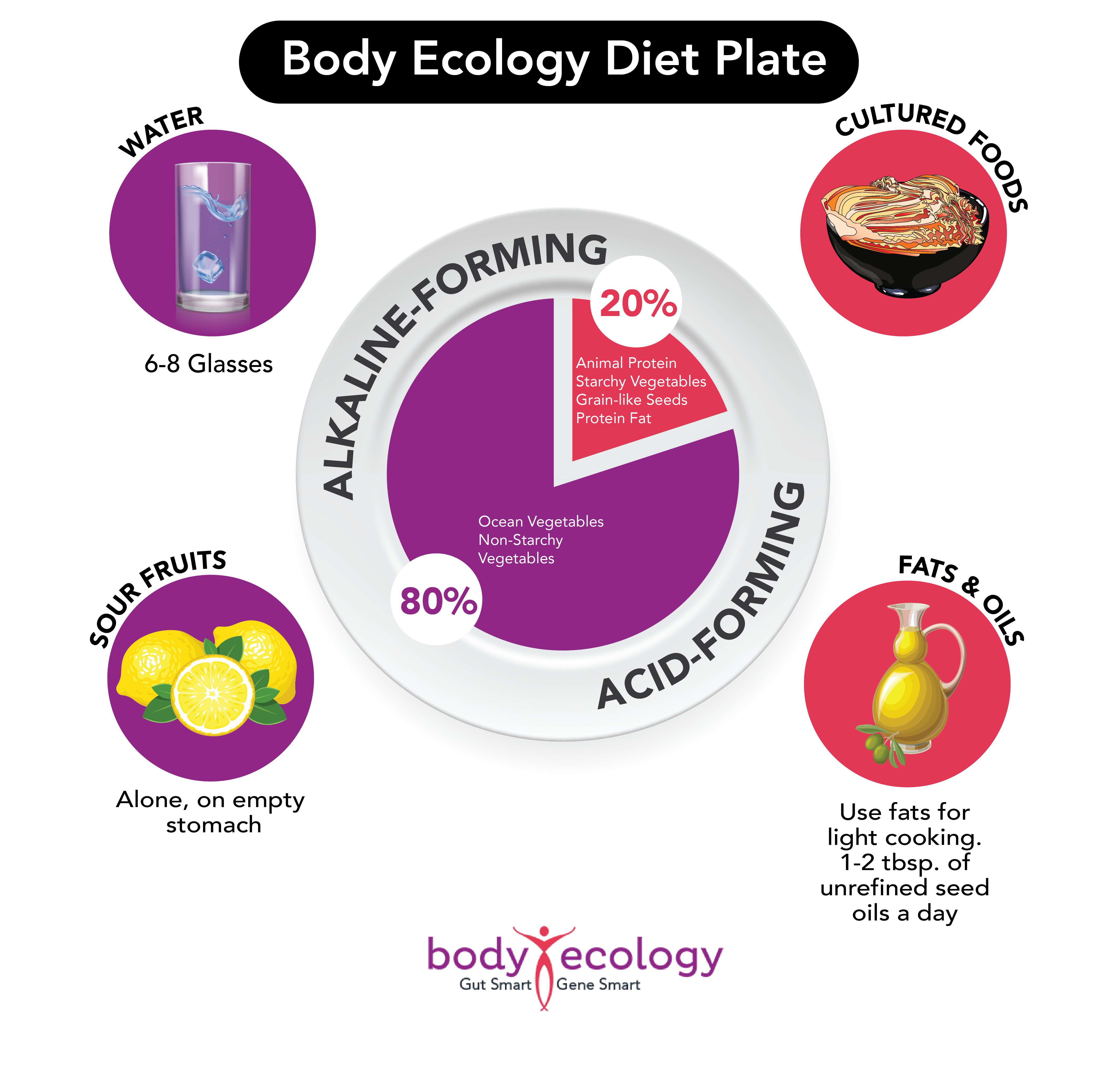
When the 80/20 principle is followed, your plate should be made up of 80% non-starchy land and ocean vegetables, and the remaining 20% should be protein — or a grain-like seed. Quinoa and millet are touted as “superfoods.” They are low-carb, gluten-free, grain-like seeds, but they are high in oxalates. So if you are sensitive to oxalates, be careful with them.
Listen: Part 1 and Part 2 of “Toxic Superfoods” with Sally K. Norton
Our body has more energy to digest proteins earlier in the day, so breakfast and lunch are ideal times to eat animal protein. Your last meal of the day could be vegetarian, and doing so may improve your sleep.
The Solution: Body Ecology Assist Enzyme Formulas Support Digestion
Body Ecology’s Assist Dairy & Protein combined with Assist SI for digestion in the small intestine are ideal for your animal protein meals.
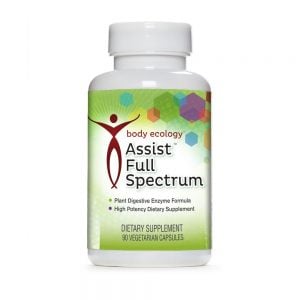
Body Ecology’s Assist Full Spectrum supports the digestion of non-animal protein meals.
Digestive Enzymes:
- Help prevent gas, bloating, and overall gastrointestinal discomfort after meals.
- Support and enhances digestion of protein, carbs, fats, and sugars, even lactose.
- Help assist in enhanced absorption of nutrients from all food groups.
- Fast-acting, high-potency enzyme formulas support optimal gut function.
LATEST ARTICLES
POPULAR ARTICLES


Customer Reviews

Really settles my stomach. Love it!
This is an excellent probiotic, I drink it daily.


